Showing posts with label Windows Phone 7. Show all posts

Sunday, November 27, 2011

Microsoft says Windows Phones have had Siri-like functionality for over a year

Microsoft's Craig Mundie said that the iPhone's Siri voice recognition software is not new technology as a similar system has been available on the Windows Phone for over a year, and claims Apple marketed the capability to shift focus away from the iPhone 4S's lack of new features.
In an interview last week with Forbes, Microsoft Chief Research and Strategy Officer Craig Mundie said that Siri's capabilities are not Apple-specific, and notes that Windows Phone's similar "Tellme" technology has
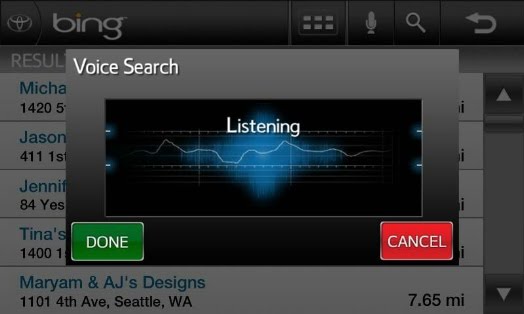
been functional for over a year.
"The Tellme facility's been in the Windows 7 phone for more than a year," Mundie said. "So I mean I just think people are infatuated with Apple announcing [Siri]."
Mundie goes on to say that Apple's marketing prowess is something that Microsoft could learn from, though he feels that the iPhone maker had to focus on the voice technology due to lack of new features on the iPhone 4S.
"In a sense, you know, many people were disappointed with [Apple's] newest phone because it wasn't a completely new thing, so the only thing they really had to hammer on was that feature," Mundie said. "Maybe we need to pick a feature and hammer on it harder."
The transition from Windows Mobile to the current Windows Phone platform has been difficult for Microsoft, said Mundie. The Redmond, Wash. tech giant had to overcome "errors" in moving from the old OS, which was targeted at enterprise users, to a new consumer driven model.
Mundie hopes that Windows Phone will become a major player in the mobile market, noting the recent partnership with Nokia is "huge" in making the the platform successful.Update, 5:10 p.m. PT:
In a blog post today, Stephen Baker, vice president of the NPD Group's Industry Analysis unit, reported preliminary results from NPD's Anatomy of Black Friday study. Among the findings:
    Almost 65 percent of tech shoppers actually ponied up for a product because they found it on sale, and 28 percent took advantage of big sales at a specific retailer they had targeted. Totals in both those categories were about 50 percent higher than the corresponding totals for shoppers overall, and both the tech totals reflected a 10 percent increase year over year.
    Electronics continued to be the second most popular category, after clothing, with more than 23 percent of Black Friday shoppers buying some type of electronic gadget--15 percent more than last year and 50 percent higher than the third most popular category, toys.
    TVs saw their popularity leap 30 percent from last year, and they overtook computers as the most popular electronics product (excluding purchases of video games from the computers category).
    Big-screen TVs seemed to be preferred to their smaller-screen brethren, with 26 percent of Black Friday tech shoppers saying they plan to spend more than $1,000 during the holidays. That's 10 percent more than last year and compares with 19 percent of overall shoppers who said they planned to spend that much.

Thursday, July 28, 2011

Android Hits 39% Smartphone Share, iOS at 28%: Nielsen

Apple's iOS-based iPhone is still in second place, but rose to 28 percent from 27 percent in May and 26 percent in April.
While Android leads by dint of massive exposure across multiple OEMs selling handsets in the United States
and all over the world, Apple remains the top smartphone maker in the United States with that 28 percent share.
HTC is No. 2 with 20 percent in the United States, including 14 percent of Android phones and 6 percent of Windows Mobile/Windows Phone 7 gadgets.
Motorola is No. 3 with 11 percent of all Android phones. Samsung follows at a total of 10 percent U.S. share, with 8 percent of Android phone sales and 2 percent of Windows Mobile/WP7 sales.
In other Nielsen smartphone market share updates, Research In Motion's (NASDAQ:RIMM) BlackBerry continued to lose share for June, accounting for 20 percent share. That's down from 21 percent in May and 23 percent in April.
Smartphones based on Microsoft's Windows Mobile and Windows Phone 7 accounted for 9 percent of the U.S. market as the company continues its gradual transition of replacing Windows Mobile in favor of WP7.
The company just shipped its WP7 "Mango" version, which is well regarded by reviewers, to manufacturing. Mango phones will hit the market en masse this fall.
For now, though, the smartphone market features two faster horses at the top: Android and iOS. There are two forthcoming events that could shape the future market share of both platforms this fall.
First, Samsung is expected to launch its well-regarded Galaxy S II smartphones, which sold 5 million units in a few countries, through AT&T and Verizon Wireless in the United States this August.
Second, Apple is expected to launch its iPhone 5 in September or October. The device should be faster, feature better cameras and could feature a virtual assistant and facial recognition perks.
Samsung needs to have a good U.S. launch in order for Android to continue its momentum; Apple's iPhone must do the same for iOS.  

Wednesday, July 27, 2011

First Windows 'Mango' Phone Unveiled

The first smartphone based on the new "Mango" edition of Microsoft's Windows Phone platform was unveiled on Wednesday in Tokyo.
The phone is the first of several handsets due over the next few months, that Microsoft hopes will signal its
return to the smartphone market as a serious player. (Video of the new phone and its launch is available on YouTube.)
If that wish sounds familiar, it is. This time last year the company was hoping the first version of the Windows Phone 7 would accomplish the same thing. But that didn't happen.Despite getting several thousand applications and generally positive reviews, the new platform, which replaced Windows Mobile, was relegated to the sidelines by a rush of new Android devices and updates to Apple's iPhone.
Far from boosting its market share, the introduction of the new operating system saw Microsoft lose share.
Microsoft captured 2.7 percent of the smartphone market during the first quarter of 2011, according to IDC. But a year earlier during the first quarter of 2010, its market share was 7.1 percent, the market research company said. In terms of handsets shipped, those with Windows Phone 7 or Windows Mobile fell from 3.9 million to 2.8 million phones in the two periods."We've gone from very small to....very small," quipped Microsoft CEO Steve Ballmer earlier this month on his company's lackluster performance.
Mango, officially Windows Phone 7.5, adds some 500 improvements to the Windows Phone 7 platform, according to the company. They include an e-mail "conversation view" that is said to make long e-mail discussions more efficient, a "threads" feature that brings together text, instant messages and Facebook chat, and Internet Explorer 9 for faster Web browsing.
"Mango is a substantial improvement bringing multi-tasking and other needed features," Al Hilwa, an analyst with IDC, wrote in an email. "This really begins to close the gap and in a couple of ways exceeds its competitors."
Some of those improvements can be seen in the new handset, the IS12T, which will be available in Japan only. Built by Fujitsu Toshiba Mobile Communications, the phone will be available in September or after. No price was disclosed.
The company is one of several partners Microsoft is working with on Mango handsets. Others include Taiwan's Acer and China's ZTE, but perhaps the most awaited phones will be from Nokia.
The Finnish cell phone maker threw its weight behind Windows Phone 7 earlier this year when it announced a wide ranging agreement with Microsoft to collaborate on future handsets and technologies.
Nokia is losing market share to aggressive competitors, but it remains one of the world's largest manufacturers of smart phones, so it has the potential to help Microsoft shift the market.
he launch of the phone came just hours after Microsoft signed off on the operating system and declared it ready to be installed in consumer handsets. That should mean additional phones will get launched in the coming weeks.
"Now everything rests on the diversity of the device portfolio that begins to emerge," said Hilwa.
Looking ahead, IDC predicts Windows-based smartphones will account for 20 percent of the market in 2015, making them second only to Android.
"Microsoft will claw its way to success and market share over the next couple of releases," the analyst said. "Its chances will be helped significantly with a successful Windows 8 release in 2012 which will create synergies between the PC and the phone in new ways."
For Japanese consumers, the IS12T phone has a 3.7-inch screen and a 13.2 megapixel camera. Bluetooth and Wi-Fi are included in the CDMA-based phone. It weighs 113 grams and Fujitsu Toshiba says the battery should provide more than 11 days on standby and more than 6 hours of talk time.
The phone has 32GB of memory and is waterproof with an IPX5 rating.

Monday, June 27, 2011

Game Over: Five Reasons the iPhone 5 Will Dominate

Apple reinvented the mobile phone, and revolutionized the smartphone when it introduced the iPhone. It has been surpassed in overall market share by the me-too, copycat Android OS, and Microsoft's Windows Phone 7 is a worthy challenger as well, but this fall Apple has an opportunity to set the bar for the industry once again, and leave the competition in the dust with the iPhone 5.
1. Verizon (et al). The iPhone 5 will be the first new iPhone model introduced since the exclusivity with AT&T
ended (no, the white iPhone does not count--not even a little). The Verizon iPhone 4 has been a huge success anyway, but many Verizon customers held off knowing that a new iPhone is just around the corner, and not wanting to be shackled to an iPhone 4 with 18 months left on the contract. The new unlocked iPhones will make a difference as well.
2. iOS 5. Apple has already shared with us the details of iOS 5. The new iOS will finally free the iPhone (and iPad) from the PC--syncing and updating wirelessly instead of requiring a physical connection to a USB port. The improvements in the iOS mail client, the addition of iMessage, tabbed browsing in the default Safari browser, and the behavior of the Notification Center will all contribute to the success of the iPhone 5.
3. iCloud. Along with iOS 5, Apple will also officially launch iCloud around the same time the iPhone 5 is expected. iCloud will enable effortless, seamless syncing of email, files, music, contacts, calendars, and other content between the iPhone, iPad, and Windows or Mac PCs.
4. The Specs. The iPhone 5 is expected to (or rumored depending on your perspective) to use the same dual-core A5 processor Apple uses in the iPad 2. The processor really just plays catch up to the status quo rather than blowing rival smartphones away, but Apple somehow squeezes better performance and a superior experience out of equivalent, or even inferior hardware.
5. The Camera. The smartphone is quickly replacing the point and shoot, and emerging as the camera of choice for most consumers. It has already put the nail in the coffin of the Flip video camera. But, there is more to digital photos than maxing the megapixels, and most smartphone cameras take inferior quality photos. Speculation suggests that the iPhone 5 will have an 8 megapixel camera, with dual-LED flash for better low-light photography, and that the iPhone 5 camera will set the bar for smartphone photos.
Some of this is based on speculation--we don't really know what the camera functionality or hardware specs will be just yet. But, just the things we already know for a fact are enough to make the iPhone 5 the king of the hill and leave all smartphone competitors playing catch-up.
It will be like June of 2007 all over again.

Sunday, June 19, 2011

Future perfect: HTML5 apps that work on all platforms

HTML5 based apps can be accessed from the browser and users wouldn't miss any functionality if they are basically browsing content based apps.
There has been a spate of news in recent times when various big names on the Internet decided to work their way around Apple's app store and started developing HTML5 based web apps. The Financial Times was one of the earlier names which decided to go this route, which believed it would have to make some compromises while going for HTML5 app instead of native app. Users have
to go to the browser to access the Financial Times app, and they can access most of the features available in FT's iPhone native app. Users can even read articles offline, due to the enhancements made using HTML5. Such web apps also have the benefit of working across all platforms whereas native apps have to be reworked on if they have to be made compatible with Android or Windows Phone 7. Another similar piece of news has come from Facebook, where about 80 developers are developing a Facebook version which will open in Safari browser and bypass the iTunes app store from Apple. The project has been codenamed Project Spartan. If everything goes according to plans, whenever users point the browser to Facebook, a dropdown menu will allow them to launch the apps.
The benefit for the users?
Again, the same web app can be accessed from iOS and Android devices too. A South Korean credit card company, Lotte Card has expressed its desire to go the hybrid way - means the core app was created writing HTML5 which was then wrapped around native iOS and Android code to make them suitable for both the platforms. Probably it decided to go the hybrid way because if their app was based solely on HTML5, they would not have been able to use camera and address book of the phone. At the same time, it takes more work to make an HTML5 based app work well compared to native apps, but the users needn't worry about it, it's the headache of publishers.

Wednesday, May 25, 2011

Windows Phone Mango Update: Android and iPhone Challenger?

Will Microsoft’s upcoming software update for its Windows Phones, codenamed “Mango,” affect the company’s smartphone prospects? Certainly Mango represents a substantial revamp of Microsoft’s mobile platform, which is struggling for adoption in the face competition from Google Android and Apple’s iPhone. In contrast to those platforms, which offer grid-like screens of individual apps, Windows Phone consolidates Web content and applications into a set of subject-specific Hubs, including “Office” and “People.” As Microsoft executives demonstrated for a small group of media and analysts during a May 24 press event in New York City, the new features include a redesigned Xbox Live Hub, home-screen tiles capable of displaying up-to-the-minute information such as instant messages and social-networking data, the ability to consolidate friends and colleagues into groups, and visual voicemail.

All in all, Microsoft is planning to add some 500 new elements to Windows Phone. Mango will be released sometime this fall. That’s some distance away for a company wrestling to hold onto its market-share. Although research firm Gartner estimated that Windows Phone sold 1.6 million units in the first quarter of 2011, recent data from comScore suggests that Microsoft’s share of the overall smartphone market continues to erode—a situation probably not helped by some well-publicized snafus with the first two Windows Phone software updates. Even if the pre-Mango Windows Phone continues a slide in market-share, Microsoft has managed to secure some long-term commitments from its manufacturing partners. “We have some Windows Mango phones,” HTC CEO Peter Chou reportedly told Reuters May 25. “We are very committed to Windows phone products.” However, he offered no guidance on when those new devices might appear. Analysts generally view Microsoft’s deal with Nokia, which will see Windows Phone ported onto the latter’s smartphones, as a chance for the Windows Phone platform to gain some additional momentum—at least overseas, where Nokia continues to maintain a strong presence despite challenges from Android and iOS. In addition to HTC and Nokia, Samsung and LG Electronics have apparently committed to building new Windows Phone devices preloaded with Mango. Acer, Fujitsu and ZTE are also planning to produce Windows Phone devices for the first time. In other words, Windows Phone isn’t exactly in danger of dying within the next couple of months—especially since it represents an all-or-nothing bet by Microsoft in the increasingly important mobile space. The question is whether a Mango-enhanced Windows Phone can draw users who haven’t already gravitated towards Microsoft’s offering. Here the question becomes more problematic. Certainly a more robust smartphone platform helps spark increased adoption—for an example of that, look no further than Android, which has seen its market-share increase with each successive version. But all the new gizmos in the world won’t help a platform that people don’t inherently find attractive or useful in their daily lives. For enterprise users, Mango offers some key additions, including the ability to search a server for email items no longer stored to a device, and share and save Office documents via Office 365 and Windows SkyDrive. That could help drive Microsoft’s share among business users. For consumers, the revamped Xbox Live and features like multitasking could make Windows Phone a more enticing prospect. Mango also introduces unique applications like Local Scout, which offers a view of everything to see and do in a particular neighborhood, and an enhanced “People” Hub that includes Twitter feeds. Despite all those new features, Windows Phone has one weak spot: number of apps available for download. In contrast to Apple’s App Store and Google’s Android Marketplace, which respectively boast hundreds of thousands of apps, Windows Phone’s online storefront boasts only a few thousand. While Microsoft executives argue that the apps’ quality eclipses the need for quantity, the fact remains that smartphone platforms with thriving ecosystems—i.e., Apple and Google—have seen their market-share only increase, while those with comparatively few apps—Palm and Research In Motion come to mind—have seen their device adoption rates soften over several quarters. Microsoft continues to push developers to build apps for Windows Phone. And Mango will be a giant step forward in the company’s attempts to offer a smartphone platform on par with Android and the iPhone. The question is whether those app-developer efforts—and Mango’s new features—will give Microsoft the momentum it needs to take Windows Phone from an also-ran to a major contender.